admin01@oshujian.com
How are airport luggage carts made more durable, subjected to tens of thousands of uses daily?
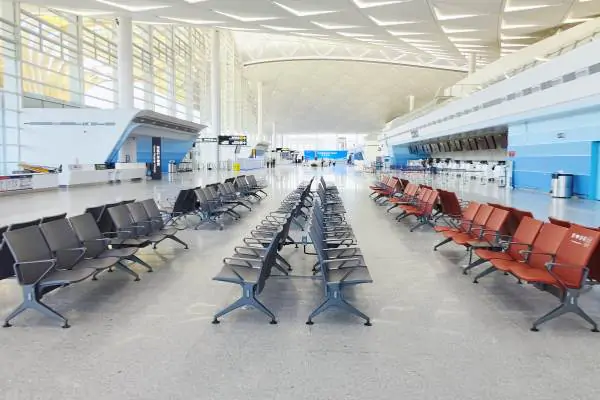
At major airports worldwide, a single luggage cart is pushed, pulled, loaded, and bumped tens of thousands of times daily, far exceeding the usage intensity of ordinary shopping mall carts. Under such extreme conditions, how do airport luggage carts remain functional for years? The answer lies in materials, structure, and testing standards.
Core Conclusion: Enhancing Durability Through Three Key Aspects
A qualified airport luggage cart must simultaneously address three major challenges: impact resistance, rust prevention, and ease of maintenance. Advanced manufacturing processes and rigorous testing ensure its long-term stable operation in areas such as baggage claim halls, parking garages, and connecting corridors.
I. Frame Materials: The Choice Between High-Strength Steel and Aluminum Alloy
Mainstream airport luggage cart frames utilize Q235 high-quality carbon steel tubing or 6063 aluminum alloy profiles. The steel tubing wall thickness is typically above 1.5mm, with reinforcing ribs added to key load-bearing areas. The aluminum body undergoes anodizing treatment, resulting in high surface hardness and rust resistance. Regardless of the material, all trolleys must pass a salt spray test (≥72 hours without red rust) before leaving the factory to withstand spilled beverages and moisture brought in by rain and snow.
II. Wheels and Steering System: Wear Resistance is Key
80% of trolley failures originate from the wheels. High-performance luggage trolleys are equipped with dual-bearing silent casters. The wheel surfaces are made of polyurethane (PU) or TPR material, preventing breakage when running over small stones or crossing expansion joints. The omnidirectional front wheels and directional rear wheels, combined with a reinforced axle, can withstand dynamic loads of over 100kg per wheel. In actual testing, qualified wheels show no significant tread wear after continuous travel of over 50 kilometers.
III. Structural Design and Ease of Maintenance
Collision Barriers: Buffer rubber corner protectors are added around the trolley to reduce damage from hard impacts with bridges and pillars.
Folding Mechanism: Utilizes a spring-loaded self-locking folding handle with a folding and unfolding lifespan of over 50,000 cycles, facilitating stacking and storage.
Replaceable Components: Wheels, handles, advertising panels, and other easily damaged parts are designed for tool-free disassembly, allowing airport ground staff to quickly replace them without needing to return them to the factory.
IV. Testing Standards: Simulated "Rough Use" Reputable suppliers conduct rigorous testing on airport baggage trolleys, including pushing them 10 kilometers with a 100kg load, a 1-meter drop from an empty height, stability on a 15° incline when fully loaded, and 2000 consecutive rigid impacts. Only trolleys that pass these simulated "tens of thousands of uses" tests are delivered to the airport.
Summary There are no shortcuts to improving the durability of airport baggage trolleys—it relies on high-grade tubing, wear-resistant casters, maintainable design, and testing exceeding real-world operating conditions. The next time you easily push your luggage through the terminal, it's thanks to these unseen durability engineering features.
Leave a message
Welcome you to leave your contact information and message, we will contact you by a personal person