admin01@oshujian.com
How Can Airport Lounges Enhance Comfort and the Passenger Experience Through Lounge Chairs?
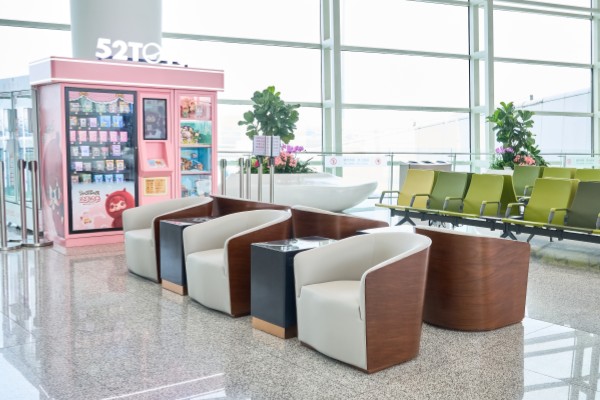
For frequent travelers, an airport lounge serves as more than just a sanctuary while waiting for a flight; it is a key indicator of an airport's overall service quality. Among the many amenities found within a lounge, the "Lounge Chair" is often the very first piece of furniture a passenger encounters—and the one they utilize for the longest duration. An exceptional airport lounge chair can significantly elevate a passenger's perception of comfort, encourage them to extend their voluntary stay, and consequently boost the lounge's space efficiency and brand reputation. So, how exactly can airport lounges achieve these objectives by carefully selecting the right lounge chairs?
1. Ergonomic Design: Evolving from "Functional Seating" to "Seating You Want to Linger In."
The core value of an airport lounge lies in making passengers *want* to stay a little longer. While standard public seating may suffice for brief rests, a truly comfortable airport lounge chair must offer superior ergonomic support:
Adjustable Recline: The angles of the backrest and seat cushion should align with natural sitting postures; high-end models often feature multi-level reclining options to accommodate various activities—whether reading, napping, or working.
Headrests and Lumbar Support: Designed to contour to the natural curves of the neck and lower back, thereby alleviating physical fatigue prior to a long-haul flight.
Seat Depth and Armrest Height: Proportioned to suit passengers of varying heights and body types, with armrests wide enough to provide ample support for the forearms.
When a lounge chair allows passengers to relax their muscles and ease the anxiety of waiting, they naturally become more inclined to enjoy the lounge's dining options, utilize the Wi-Fi, or even catch a brief nap. This extended dwell time directly drives increased food and beverage consumption while simultaneously boosting positive sentiment toward the brand.
2. Materials and Tactile Quality: Cultivating an Atmosphere of a "Home Away from Home."
The fundamental distinction between an airport lounge and a standard waiting area lies in the sense of "privacy and warmth" they provide. The choice of upholstery for an Airport Lounge Chair is paramount:
High-density foam combined with memory foam: Offering a balanced firmness—neither too hard nor too soft—that resists sagging even after prolonged sitting.
Skin-friendly fabrics: Materials such as wool blends, micro-suede, or breathable leather help avoid the unpleasant sensations of coldness or stickiness against the skin.
Antibacterial and easy-to-clean surfaces: Designed to meet the rigorous, high-frequency cleaning demands of an airport environment while maintaining a visually pristine appearance.
Furthermore, the color and texture of the Lounge Chair should harmonize with the overall design language of the lounge itself. Soft earth tones, Morandi-style palettes, or wood accents can effectively alleviate travel-related stress for passengers. In contrast, glossy plastic or metal seating surfaces tend to convey an impression of being "temporary" or "cheap," thereby diminishing a passenger's desire to linger.
3. Privacy and Layout: Creating Personal Sanctuaries with Lounge Chairs.
Airport lounges are often bustling with activity; how can the arrangement of Lounge Chairs be utilized to provide a sense of psychological security?
High-back, enclosed designs: Chair backs that extend laterally create a semi-enclosed personal space, minimizing visual distractions.
Staggered layouts: Avoiding direct face-to-face positioning—opting instead for staggered or unidirectional arrangements—helps alleviate the awkwardness of making direct eye contact with strangers.
Integrated dividers: Incorporating movable screens or greenery between Lounge Chairs helps delineate distinct "quiet zones" from "social zones."
Additionally, Lounge Chairs equipped with side tables are invaluable assets for enhancing the passenger experience—allowing travelers to conveniently place items such as coffee, boarding passes, and mobile phones without the need to frequently stand up. Some high-end lounges go even further, integrating reading lights, USB charging ports, and personal storage compartments directly into the Lounge Chairs to further maximize convenience.
4. Silent Operation and Durability: Adapting to the Rigorous Airport Environment.
Airport Lounge Chairs endure high-frequency usage on a daily basis within a lounge setting, all while being required to maintain a quiet atmosphere. Superior products typically feature the following attributes:
Silent rebound mechanisms: Ensuring that the seat cushions and backrests retract or adjust without generating jarring metallic clatter.
Abrasion-resistant fabrics: Boasting a durability rating of ≥30,000 cycles to withstand the rigors of constant friction over time.
Reinforced frameworks: Utilizing skeletons constructed from aluminum alloy or engineering-grade plastics that are both rust-proof and lightweight.
A durable Lounge Chair not only reduces the frequency with which operators must replace furniture but also prevents the negative passenger experiences that can arise from damaged seating or mechanical noises. 5. Differentiated Configurations: Tailoring to the Target Demographics of Various Lounges
Different types of airport lounges have distinct requirements regarding lounge chairs:
Business Lounges: Emphasize semi-rigid shell chairs equipped with power outlets and small side tables to facilitate laptop work.
First Class Lounges: Feature fully reclining lounge chairs or single sofa beds to provide sleeping capabilities.
Family/Transit Lounges: Utilize lightweight, movable airport lounge chairs that are easy to reconfigure or clean.
Airline-Operated Lounges: Leverage custom colors and embossed logos to reinforce brand identity.
Suppliers capable of providing modular lounge chair solutions allow lounges to flexibly adjust seating density and layout based on the time of day (morning/evening) and passenger profile (business/leisure), thereby maximizing space utilization.
6. Psychoacoustics: The Subtle Impact of Seating on Noise Perception
The soft upholstery materials used in lounge chairs possess sound-absorbing properties. In a lounge featuring a prevalence of fabric-upholstered airport lounge chairs, ambient noise—such as conversations and the clinking of tableware—is effectively absorbed, making the space feel "quieter" to passengers. This psychoacoustic effect directly enhances the quality of rest, encouraging passengers to stay for longer periods. Conversely, spaces dominated by hard seating surfaces tend to generate echoes, which can heighten feelings of irritation.
7. Conclusion: Lounge Chairs Are the Core Touchpoint of the Lounge Experience
To truly elevate passenger comfort and the overall lounge experience, airport lounges should not view lounge chairs merely as ordinary furniture, but rather as a core vehicle for the passenger experience—and invest in them accordingly. From ergonomics, tactile materials, and privacy-conscious layouts to acoustic properties, durability, and differentiated configurations, every single detail influences whether a passenger will want to "visit again" or "stay for another hour."
Looking to upgrade your lounge with truly comfortable airport lounge chairs?
OSJ Furniture offers a comprehensive, one-stop airport furniture service—spanning design consultation, sample trials, and bulk delivery—with a wide range of fabric options including cloth, leather, and antimicrobial materials. Contact our airport furniture consultants today to receive a customized seating configuration proposal and arrange an on-site experience.
Leave a message
Welcome you to leave your contact information and message, we will contact you by a personal person