admin01@oshujian.com
What kind of airport seating is best suited for long-term use in high-traffic airports?
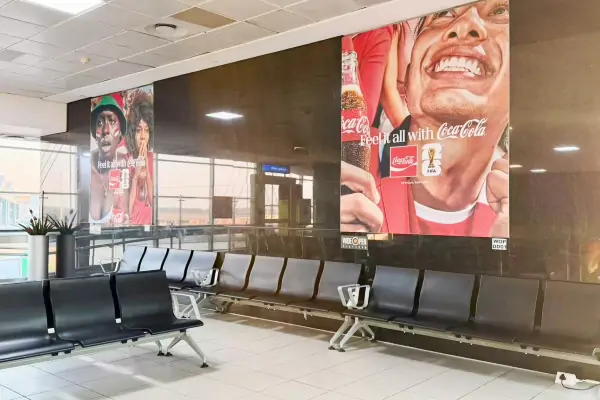
When selecting seating for high-traffic airports, three key factors must be considered: load-bearing structure, easy-to-clean materials, and modular maintenance. With tens of thousands of daily passengers, luggage impacts, and 24-hour continuous operation, standard public seating often fails within two to three years, whereas professional airport seating can remain in service reliably for over a decade.
First, the load-bearing structure determines longevity.
Airport seating must feature frames made of aluminum alloy or thickened steel, with full-weld reinforcement at the connections between crossbeams and legs. Armrests and backrests endure constant lateral pressure; if assembled merely with screws, they will loosen and rattle within six months. Integrated, one-piece armrests are recommended to minimize connection points.
Second, materials determine cleaning costs.
Airports require frequent cleaning, so seat cushions must withstand wiping with disinfectants. PU (self-skinning polyurethane) seats offer a seamless, stain-resistant surface that cleans easily with a damp cloth—far superior to fabric or standard leather upholstery. Aluminum alloy frames, treated with anodization, resist corrosion in high-humidity or saline environments, making them ideal for coastal airports.
Third, modular maintenance determines downtime costs.
In high-traffic areas, damage to a single seat should not necessitate taking the entire row out of service. Airport seating should allow for the independent replacement of cushions, armrests, and side tables, enabling repairs to be completed in minutes without disrupting passengers. If spare parts are discontinued, the cost of scrapping an entire row far outweighs any initial savings from a cheaper purchase price.
Fourth, layout and functionality must align.
Common configurations include three- or four-seat units, as well as combinations featuring side tables and charging modules. In high-traffic zones, seating equipped with USB charging ports is recommended to reduce the need for passengers to walk around searching for outlets. Row spacing must accommodate wheelchair access, ensuring compliance with accessibility standards.
Fifth, fire safety and environmental standards are non-negotiable.
As airports are high-density public spaces, upholstery fabrics and filling materials must meet B1-grade flame retardancy standards, and formaldehyde emissions from adhesives must comply with regulations to avoid inspection failures.
OSJ Furniture is a specialized manufacturer of airport seating. Since 2000, the company has focused on the independent R&D and production of airport chairs, public waiting area seating, and models featuring aluminum alloy or PU materials. Its products are exported to over 100 countries, with successful project implementations including 78 airports under the Airports Authority of India and Nnamdi Azikiwe International Airport in Abuja, Nigeria. When selecting an airport seating manufacturer, look to OSJ for quality that spans the entire product lifecycle.
Leave a message
Welcome you to leave your contact information and message, we will contact you by a personal person