admin01@oshujian.com
How Can the Quality and Design of Airport Waiting Chairs Enhance Passengers' First Impressions of an Airport?
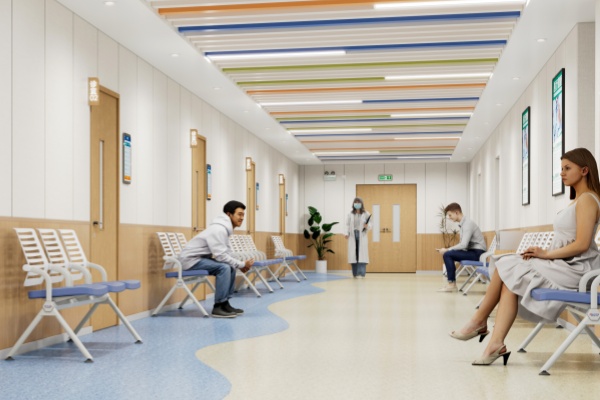
A passenger's first impression upon stepping into an airport terminal often stems not from its grand domes, but rather from the waiting chairs they encounter. From check-in to the wait at the boarding gate, travelers spend tens of minutes—sometimes longer—interacting directly with these waiting chairs. A comfortable, clean airport seat conveys a sense of care and consideration to travelers, whereas worn-out, cluttered seating can directly diminish the airport's overall image.
1. Quality: A Silent Ambassador for Service Excellence
The quality of public airport seating is best demonstrated through its durability and ease of cleaning. Airports experience massive passenger traffic, meaning seats must withstand daily stresses—including sitting pressure, impacts from luggage, and liquid spills. High-quality waiting chairs feature surfaces made of integrally molded polyurethane (PU) or seamless metal coated in plastic; these materials allow stains to be wiped away instantly, while rounded edges prevent accidental scratches. When seat surfaces appear glossy, smooth, and free of damage or rust, passengers subconsciously perceive the airport as well-managed and trustworthy.
2. Ergonomics: Making the Wait Less Tiring
Exemplary airport waiting chairs are ergonomically designed with optimized seat depths, heights, and lumbar support, and are often equipped with flip-up armrests to accommodate passengers of varying body types. Some terminal seating features contoured seat pans with concave surfaces to promote airflow, preventing the discomfort of heat buildup during prolonged sitting. When travelers can lean back and take a brief nap without suffering from back pain, their affinity for the airport naturally increases—this intangible sense of comfort is a true reflection of the airport's "soft power" in service delivery.
3. Design Language: Conveying Brand Identity
The stylistic design of airport seating should harmonize with the overall interior décor of the terminal. Major international hubs often favor a minimalist, modern aesthetic—utilizing neutral color palettes or wood-grain textures—to project an image of efficiency and cleanliness. Conversely, airports serving resort destinations might opt for warmer color schemes or curved seating arrangements. Modular public seating systems offer the flexibility to be configured in straight lines, sweeping curves, or clustered groupings, effectively balancing the need for efficient passenger flow with the creation of semi-private spaces. Functional features—such as charging ports and cup holders—are often discreetly integrated into the sides of armrests, offering convenience without compromising the aesthetic integrity of the design.
4. Layout Optimization: Enhancing Psychological Comfort
The overall arrangement and layout of waiting chairs also play a significant role in influencing the emotional state of travelers. The boarding gate area features back-to-back or island-style seating arrangements to avoid the awkwardness of face-to-face encounters, while leaving ample aisle space to facilitate orderly queuing. The spacing between seats is designed to ensure that passengers can pass through sideways with their luggage, thereby minimizing congestion. A well-organized waiting area conveys an impression of efficient and composed airport management, thereby bolstering passengers' confidence in flight punctuality and baggage security.
Airport waiting chairs are—and always have been—far more than mere "places to sit." High-quality materials instill a sense of security; ergonomic design conveys a spirit of care; and meticulous layout demonstrates managerial competence. When every passenger feels a sense of comfort and respect upon taking their seat, the airport has already won more than half the battle in establishing a positive first impression. Investing in the quality and design of waiting chairs is, in essence, an investment in the airport's long-term reputation and competitive edge.
Leave a message
Welcome you to leave your contact information and message, we will contact you by a personal person