admin01@oshujian.com
Airport Chair Buying Guide: How to Choose Low-Maintenance, Highly Durable Waiting Seats.
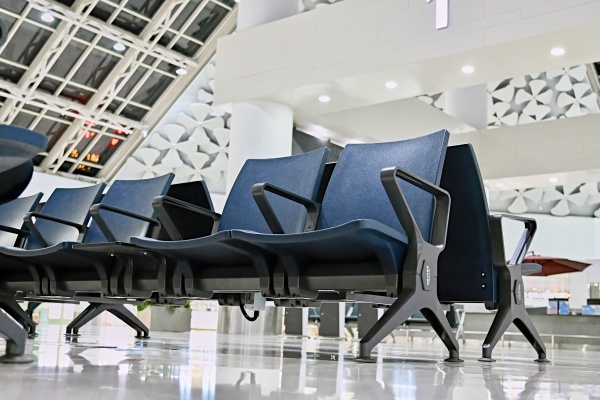
In high-traffic public spaces such as airports and high-speed rail stations, airport waiting chairs are among the most frequently used and most heavily maintained infrastructure.
Many projects only discover after implementation that while the chairs themselves aren't expensive, frequent repairs, rapid parts wear, and high maintenance costs actually increase overall operating costs.
So, how should you choose truly durable, low-maintenance airport chairs during the procurement phase to avoid the problem of "frequent breakdowns and repairs" from the outset?
1. Material Selection is Fundamental.
The material of airport waiting chairs directly determines their lifespan. The frame should be made of cold-rolled steel tubing with a thickness of 2.0 mm or more, or high-strength aluminum alloy. Both materials offer excellent load-bearing capacity and resistance to deformation. For surface treatment, electrostatic spraying is recommended, as it is more wear-resistant and rust-proof than ordinary paint, and can withstand the high-intensity environment of airports year-round.
The choice of seat cushion fabric is particularly important. Airport-specific cut-resistant fabric is the best choice. This type of material typically possesses high strength and wear resistance and meets B1 fire-retardant standards. 1. Dark-colored or textured fabrics are more resistant to dirt, reducing cleaning frequency and maintenance costs.
2. Structural design is key.
Modular airport waiting chairs are ideal. This design allows for individual replacement of damaged parts without overall disassembly, significantly simplifying the maintenance process. Snap-on connections are preferable to traditional screw fasteners, reducing the possibility of loosening and eliminating the need for tools.
The treatment of seat edges is crucial. All exposed edges should be rounded, both for safety and to reduce damage from impacts. For models with armrests, the inside of the armrests should be reinforced, as this is the most common area of high wear and tear.
3. Details determine maintenance frequency.
Waterproof design is particularly important in the airport environment. High-quality seats have a waterproof barrier layer inside the seat cushion to ensure that liquids do not seep into the foam filling. This design greatly extends the life of the internal materials and prevents mold and hardening caused by liquid infiltration.
Standardized components are another practical consideration. Using standard-sized hardware and connectors ensures quick access to replacement parts during maintenance, reducing waiting time. It is recommended to confirm parts supply cycles with the supplier during procurement and maintain a small inventory of commonly used spare parts.
4. Key Points for Supplier Selection
Experienced suppliers tend to provide more reliable products. Prioritize manufacturers with multiple airport project portfolios; their products are typically tested in practice. Clearly inquire about the warranty period and scope; reputable suppliers usually offer structural warranties of 5 years or more. Also, request detailed maintenance guidelines and parts lists, as these are crucial for subsequent maintenance.
Leave a message
Welcome you to leave your contact information and message, we will contact you by a personal person